Congested capitals, tourist taxes and unending queues to see iconic landmarks are enough to make any traveller rethink taking a much-needed holiday altogether.

ADVERTISEMENT
ADVERTISEMENT
Relatively than flocking to Europe’s popular capitals, many tourists are turning to the so-called “second cities” which can be growing in appeal.
Observers of this trend have said that travellers are looking out beyond familiar itineraries. As a substitute, they’re trying to find places that feel more personal, connected and rewarding to explore.
Whether you’re someone who’s in search of a quieter alternative to Barcelona, or wish to swap London’s bustling streets for a slower, more relaxed pace of travel, these destinations offer a stronger sense of local life, the country’s wealthy heritage, culture and food – but without the crowds.
What’s a ‘second city’?
These are the destinations that sit outside of a rustic’s hottest city, region or area, which may be ignored by visitors, despite offering a likelihood to attach with local culture and discover unique experiences.
While the term suggests that it refers to a rustic’s second most famous or populous city, HuffPost said that it has expanded more generally to “lesser-known destinations”, too.
Think more family-owned places to eat over chain restaurants, smaller art galleries, local food markets offering farm-to-table delicacies – all with the backdrop of stunning landscapes.
While the brilliant lights of the foremost destinations have their very own allure, travelling to second cities avoids crowded streets and struggling to get a table on the local favourite restaurant. There are also more opportunities to explore untouched neighbourhoods somewhat than generic tourist hubs.
Second cities are also typically friendlier on travellers’ wallets. Accommodations, meals and entertainment can often be cheaper.
Europe’s top second cities to go to
From culinary and inventive hubs, to scenic coastal destinations, listed here are our top 10 picks for the second cities in Europe that ought to be your first alternative to go to.
Split, Croatia
Centred across the stunning architecture of the preserved Diocletian’s Palace, Split blends 2,000 years value of history with an Adriatic lifestyle. Here, visitors can wander alleys from the Roman Empire that result in waterfront promenades and casual cafés.
For views of the town, climbing the reconstructed bell tower of the Cathedral of Saint Domnius is an unmissable experience.
The coastal Croatian city also offers no shortage of beaches, cycling paths, spas and centres for wellness, making it easy to mix experiences multi function trip.
Cork, Ireland
Positioned within the southwest of Ireland, Cork packs plenty right into a walkable city centre.
Visitors can shop for local produce on the historic Cork English Market, which was created in 1788. Here you’ll find freshly caught fish, confectionery, spices and fruit and veg. From there, you’ll be able to stroll along St Patrick’s Street all of the method to Fitzgerald’s Park, which can be a stone’s throw away from the Cork Public Museum.
Cork can be a gateway to Ireland’s southern coastline of vibrant harbour towns and scenery of the Atlantic, including dramatic sea cliffs.
Graz, Austria
Graz is a melting pot of Renaissance courtyards, eclectic architecture and a bustling gastronomy scene.
Aboard the Schloßbergbahn, the enduring cable funicular running since 1894, a €3.30 ticket unlocks unbeatable views of Graz, including of the Old Town.
Meanwhile, the futuristic Murinsel, a floating island, connects visitors to the river Mur and houses an amphitheatre and a café.
Hamburg, Germany
Hamburg is Germany’s largest port city and pairs its maritime heritage with a energetic street art scene. There are many murals and installations across neighbourhoods like St Pauli, Schanzenviertel and Karoviertel.
While Berlin could have its currywurst and Bavaria has its pretzels, the fish sandwich reigns supreme in Hamburg.
Whether the common-or-garden herring, mackerel or crab, freshly caught fish sandwiched in between a roll is a highly regarded snack. Hamburg Tourismus recommends stopping by the Goedekens Kombüse restaurant for this local popular snack.
Brno, Czechia
Often overshadowed by Prague, Brno’s medieval landmarks and hidden underground passages pack centuries of history right into a walkable city.
From the highest of Špilberk Hill, you will have the opportunity to see Špilberk Castle, which is home to the Brno City Museum. Concert events, theatrical performances and festivals are also held there.
Beneath the streets, you can even explore the town’s labyrinths and underground reservoirs, including the Žlutý Kopec Water Tanks where an tour is split into three experiences, unpacking the histories from the oldest to newest water tanks.
Ypres, Belgium
Steeped in First World War history, Ypres is in Belgium’s Dutch-speaking region of Flanders.
The Yper Museum explores 11 centuries of Ypres and the encompassing Westhoek’s history through a group of archeological finds, maps and handicrafts. The museum also offers a playful cat hunt through the town centre.
Cyclists and hikers may also relish in its sophisticated network of routes that weave past preserved trenches, memorials and green landscapes.
Cambridge, England
Best known for its centuries-old university, Cambridge offers rather more than simply a day trip from London.
The River Cam runs through the town and boasts views of the famous Cambridge College Backs while leisurely cruising in a punt vessel.
Town is brimming with independent bookshops, museums and greenery – making it ideal for wandering on foot.
Visitors may also explore energetic markets including the All Saints Garden market, where you will find wares from art, jewellery and pottery every Saturday.
Thessaloniki, Greece
Think Byzantine churches, Roman ruins and a picturesque waterfront with a relaxed atmosphere.
There are many must-see landmarks to be explored, including the Arch of Galerius, Aristotelous Square and the White Tower of Thessaloniki which journey through the town’s history.
When in Thessaloniki, some must-try bites include koulouri, sesame bread rings, bougatsa, a filo pastry snack, and trigona that are crispy friend pastries full of a velvety cream.
Basel, Switzerland
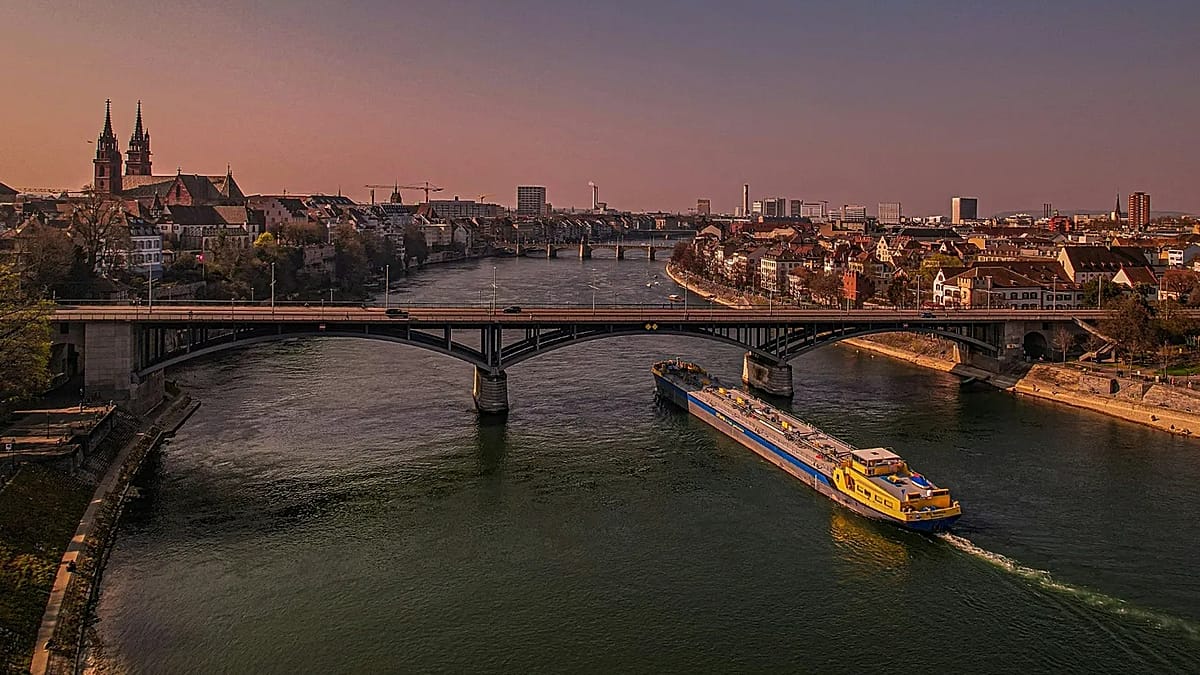
Positioned right where Switzerland meets France and Germany, Basel is home to one in all the continent’s finest art scenes.
Home of the Art Basel fair, which featured 90 galleries and attracted 16,000 visitors in its inaugural edition in 1970, today, visitors can still attend the illustrious gathering of creative minds.
Meanwhile, the Kunstmuseum Basel museum boasts the oldest public art collection on the planet, dating back to 1661, with a group of greater than 300,000 works.
While on the banks of the Rhine river, the town also provides easy accessibility to neighbouring countries.
Lille, France
Lille’s unique Flemish heritage is seen throughout the town’s architecture and cuisine. Elegant squares, vibrant townhouses and a bustling art scene also add to its charm.
Meanwhile, the cobbled streets of Vieux-Lille are perfect for a stroll to the picturesque Quai du Wault, an excellent waterside setting for a picnic or watching the sunset after a day of sightseeing.
Unlock the world’s wonders with unforgettable journeys tailored just for you! Whether you crave sun-kissed beaches, thrilling adventures, or rich cultural escapes, your dream destination awaits. Enjoy seamless travel with expert tips, exclusive deals, and handpicked experiences that Turn Every Trip into a lifetime memory.