From today, Friday 9 January, the EU’s Entry/Exit System (EES) is operational at dozens more of the bloc’s airports and ports.
The brand new border controls launched in October 2025. Initially, the edge for EU countries to register third-country arrivals was set at only 10 per cent. This has now increased to 35 per cent.
The brand new system has already been causing significant delays for air passengers.
Travel trade association ABTA is now urging greater use of contingency measures by EU border officials because the EES rollout expands.
EES leads to waiting times of up to 3 hours at airports
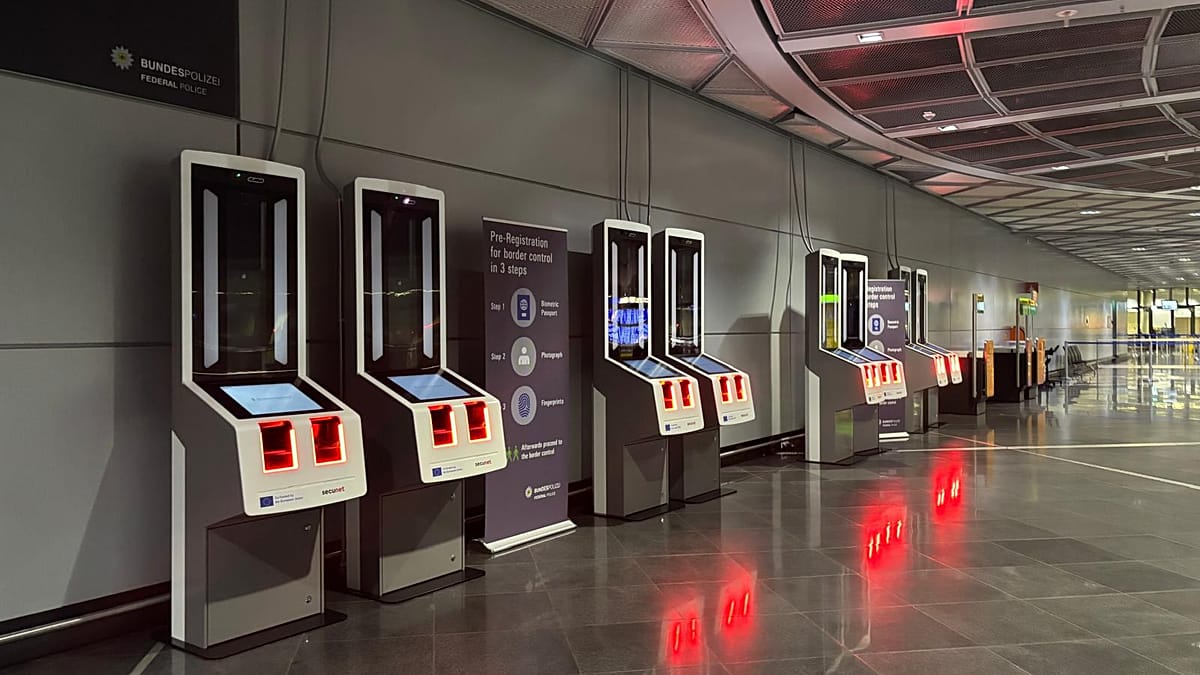
At airports where the EES is operational, visa-exempt travellers from the UK, US and other non-EU countries must register their biometric data at dedicated kiosks.
The brand new border checks are already causing headaches for passengers, who’ve reported long lines as people navigate the processing procedures for the primary time.
In some cases, delays have resulted in passengers missing their flights.
In December last yr, a report from Airport Council International (ACI) Europe highlighted the extent of this disruption and called for an urgent review of the system.
“The progressive scaling‑up of the registration and capture of biometric data from third country nationals entering the Schengen area has resulted in border control processing times at airports increasing by as much as 70 per cent, with waiting times of up to 3 hours at peak traffic periods,” the ACI review found.
Travel association urges use of contingency measures to ease delays
ABTA says that passengers’ experience of the EES rollout to date has been varied, from relatively smooth to incidents where large queues have formed at passport control.
With countries now required to process 35 per cent of third-party nationals entering the EU, there are concerns that the issues will worsen.
ABTA is urging border authorities to use the contingency measures available to them.
“The EES is a change to how we travel to and from Europe, and while eventually it’ll make passport checks quicker, initially it could take longer,” said Mark Tanzer, Chief Executive of ABTA.
As more places introduce the system, and more passengers are processed through it, there’s a greater risk that individuals will face queues and delays, he warned.
“We’re also urging border authorities to do all they’ll to minimise delays. They’ve contingency measures at their disposal – akin to standing down the system or limiting checks – and we wish them to be utilised to assist manage the flow of individuals,” Tanzer added.
“Where problems have been experienced to date, a few of these might have been avoided if the contingency measures were applied.”
How travellers can prepare for the EES
ABTA has also offered advice for travellers required to make use of the EES.
“Should you are departing the EU, we’re advising passengers to go straight to passport control as soon as they’ve undergone check-in and security, that way you get the EES checks out of the way in which as early as possible,” the association says.
It also urges travellers to follow their transport providers’ advice on when to reach at airports, ports and other departure points.
“The standard rule is to reach on the airport for a flight to Europe a minimum of two hours before, so we’d encourage people to use that at the least, but to also check with their transport provider,” it says.
Unlock the world’s wonders with unforgettable journeys tailored just for you! Whether you crave sun-kissed beaches, thrilling adventures, or rich cultural escapes, your dream destination awaits. Enjoy seamless travel with expert tips, exclusive deals, and handpicked experiences that Turn Every Trip into a lifetime memory.